11th INTECOL International Wetlands Virtual Conference · 10–15 October 2021 · Christchurch, New Zealand
Keynote Speakers
Traditional Knowledge & Innovative Science in Wetland Research & Management
10–15 October 2021 · Christchurch, New Zealand
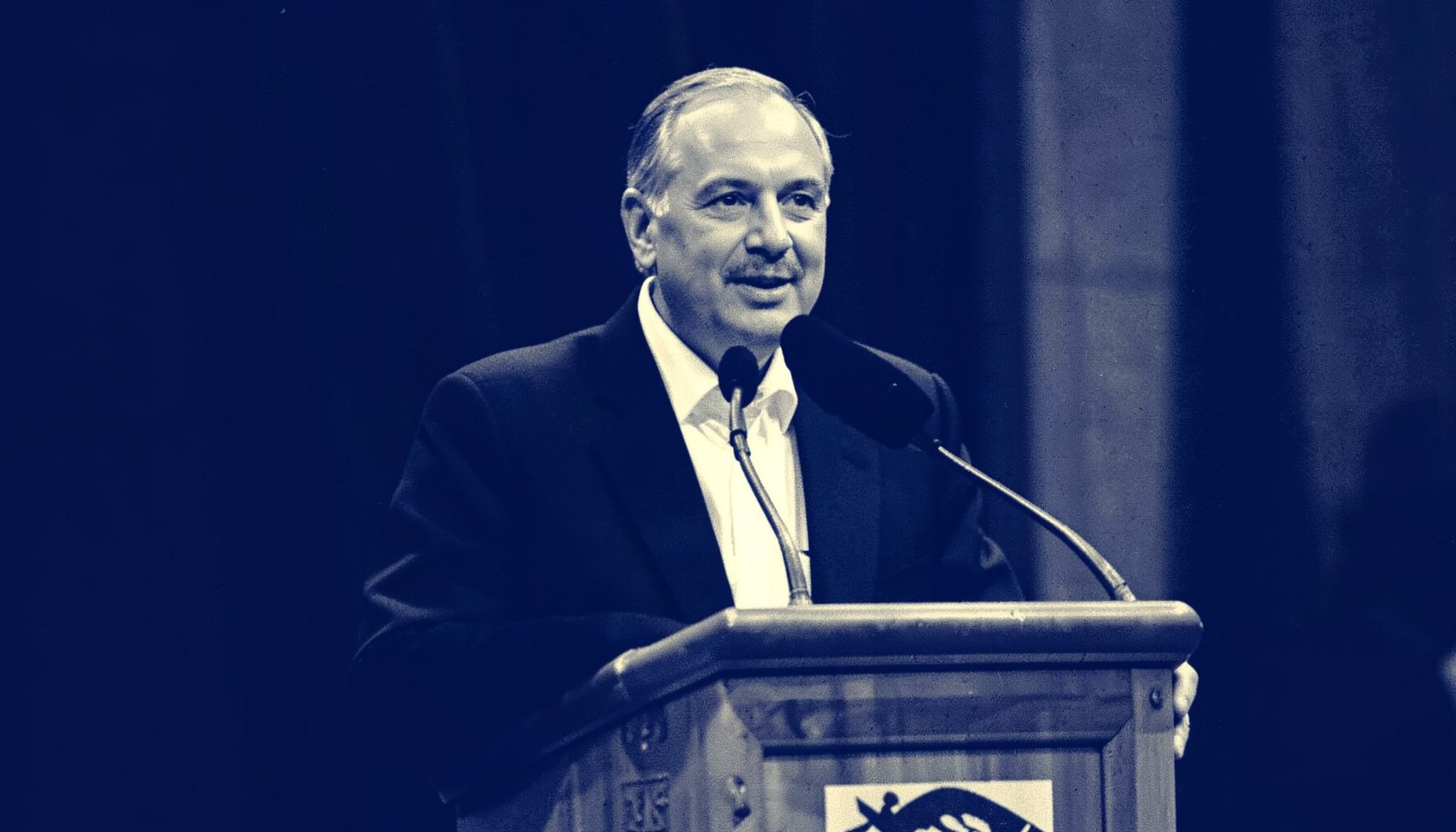
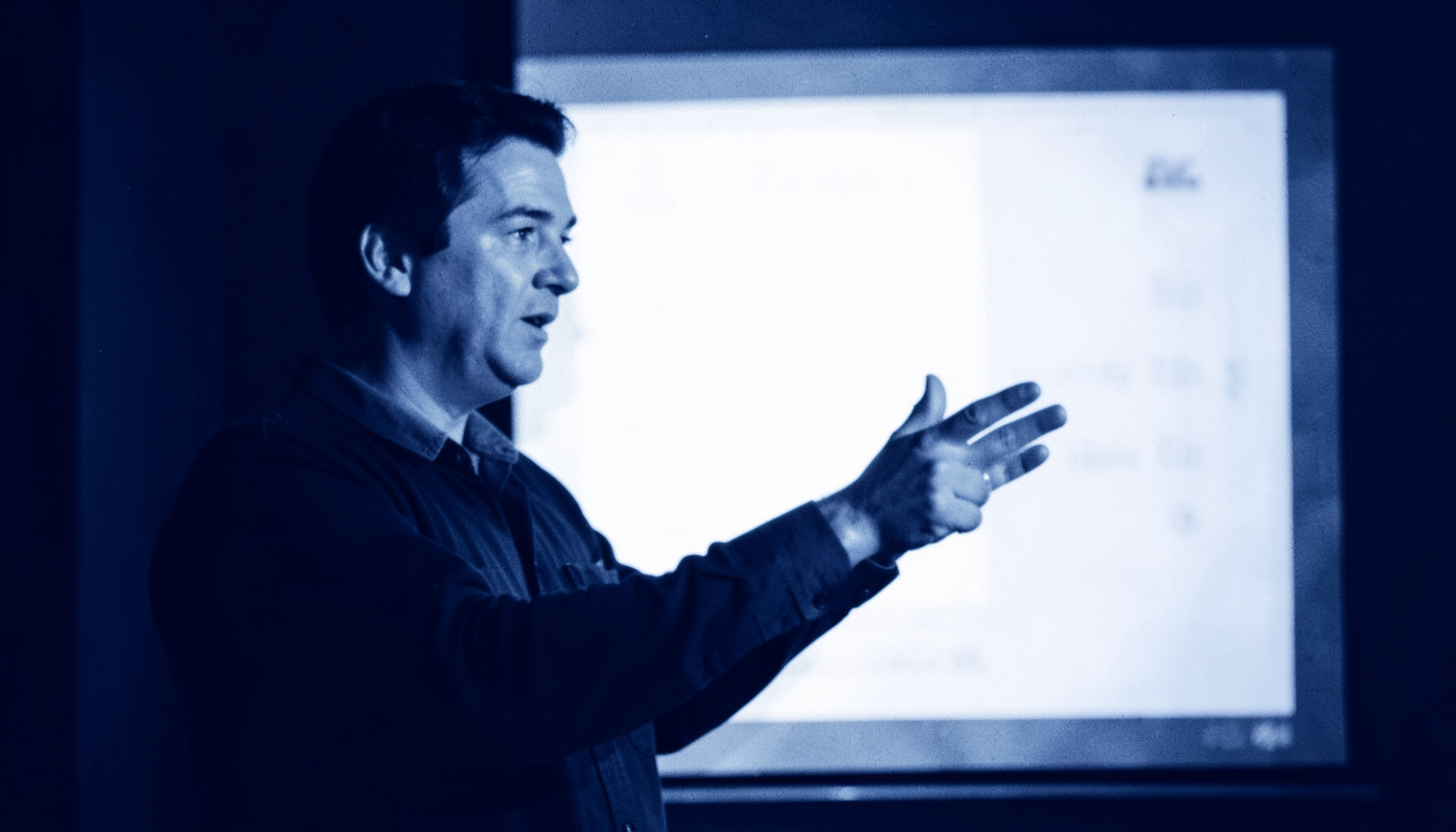
The keynote programme for this virtual wetlands conference brings together leading voices from across the scientific community and beyond, each offering a distinct perspective on the intersection of traditional knowledge and innovative science. Presenters draw on decades of field research, community engagement, and interdisciplinary collaboration to explore how wetlands are understood, valued, and managed around the world. The sessions are designed to encourage thoughtful reflection and meaningful dialogue, with each presentation followed by opportunities for attendees to pose questions and share their own experiences. For participants joining from different time zones, the virtual format offers flexible access to recorded sessions, ensuring that no one misses the insights shared during the live events.
A central theme woven throughout the keynote addresses is the importance of pairing Indigenous and local knowledge systems with contemporary scientific methods. Presenters highlight how long-standing relationships with wetlands—built through generations of observation, stewardship, and cultural practice—can enrich and inform modern research frameworks. This collaborative approach recognises that effective wetland management often depends on listening to the voices of those who have lived alongside these ecosystems for centuries. Attendees are encouraged to consider how such partnerships might be strengthened within their own regions, and how mutual respect between knowledge systems can lead to more resilient, equitable, and sustainable outcomes for wetland environments and the communities that depend on them.
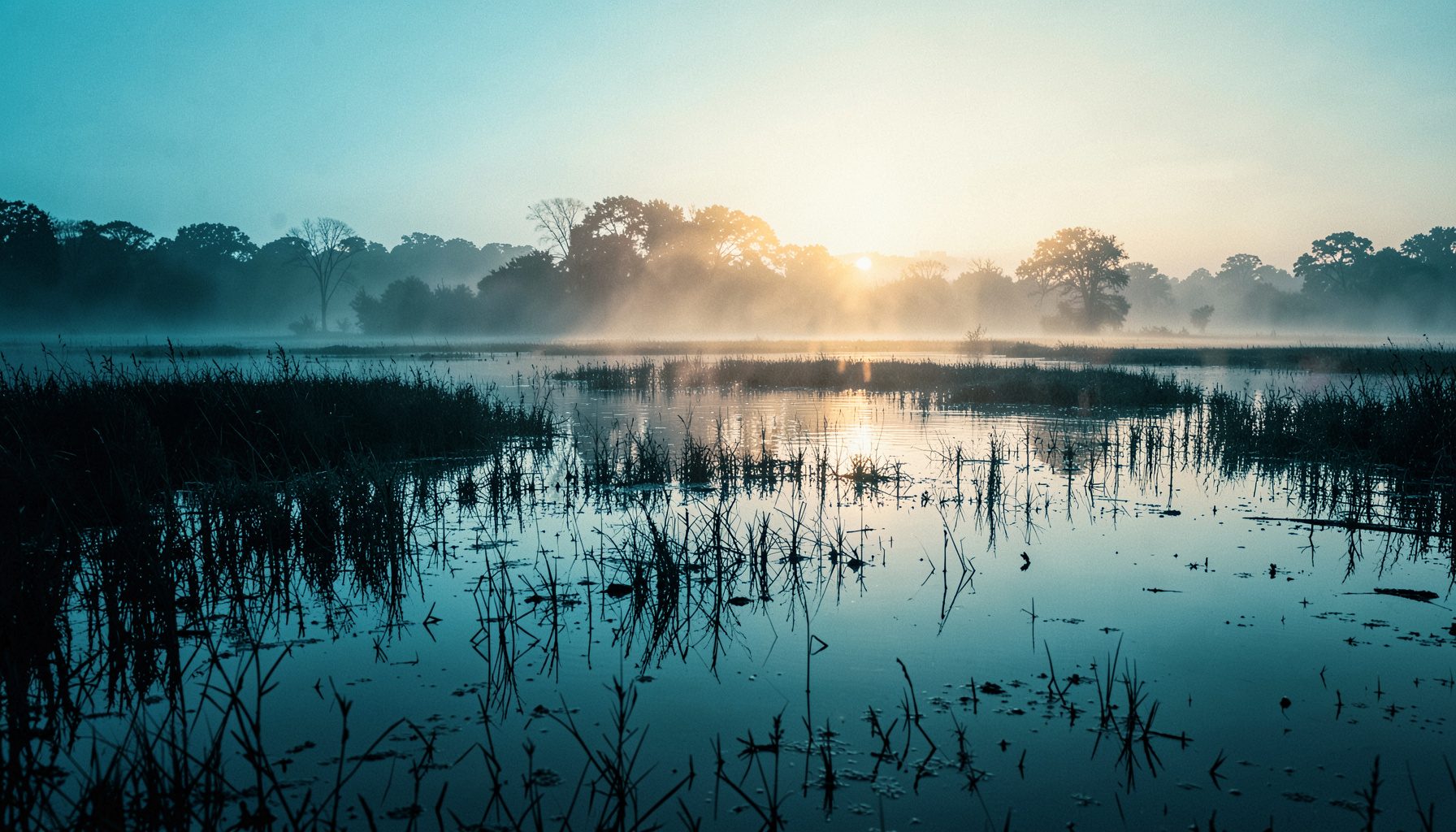
The conference also dedicates time to exploring the practical applications of wetland science, from restoration techniques and water quality monitoring to climate adaptation strategies and biodiversity conservation. Keynote speakers share case studies and lessons learned from projects spanning a range of geographic and ecological contexts, offering insights that participants can adapt to their own work. The emphasis is on translating research into action—bridging the gap between laboratory findings and on-the-ground decision making. By showcasing both successes and challenges, the sessions provide a realistic picture of the complexities involved in wetland stewardship and inspire attendees to pursue innovative solutions in their own professional settings.
Beyond the formal presentations, the keynote programme serves as a catalyst for connection and collaboration within the wetlands community. Attendees are invited to engage with speakers and fellow participants through interactive discussion spaces, where ideas sparked during the sessions can be explored in greater depth. These conversations often lead to new research partnerships, shared resources, and lasting professional relationships that extend well beyond the conference week. For those new to the field, the keynote sessions offer an accessible entry point into current debates and emerging priorities, while seasoned practitioners will find fresh perspectives and opportunities to reflect on their own approaches. The result is a rich, shared experience that honours both the scientific rigour and the human dimensions of wetland research and management.