Networking & Special Sessions
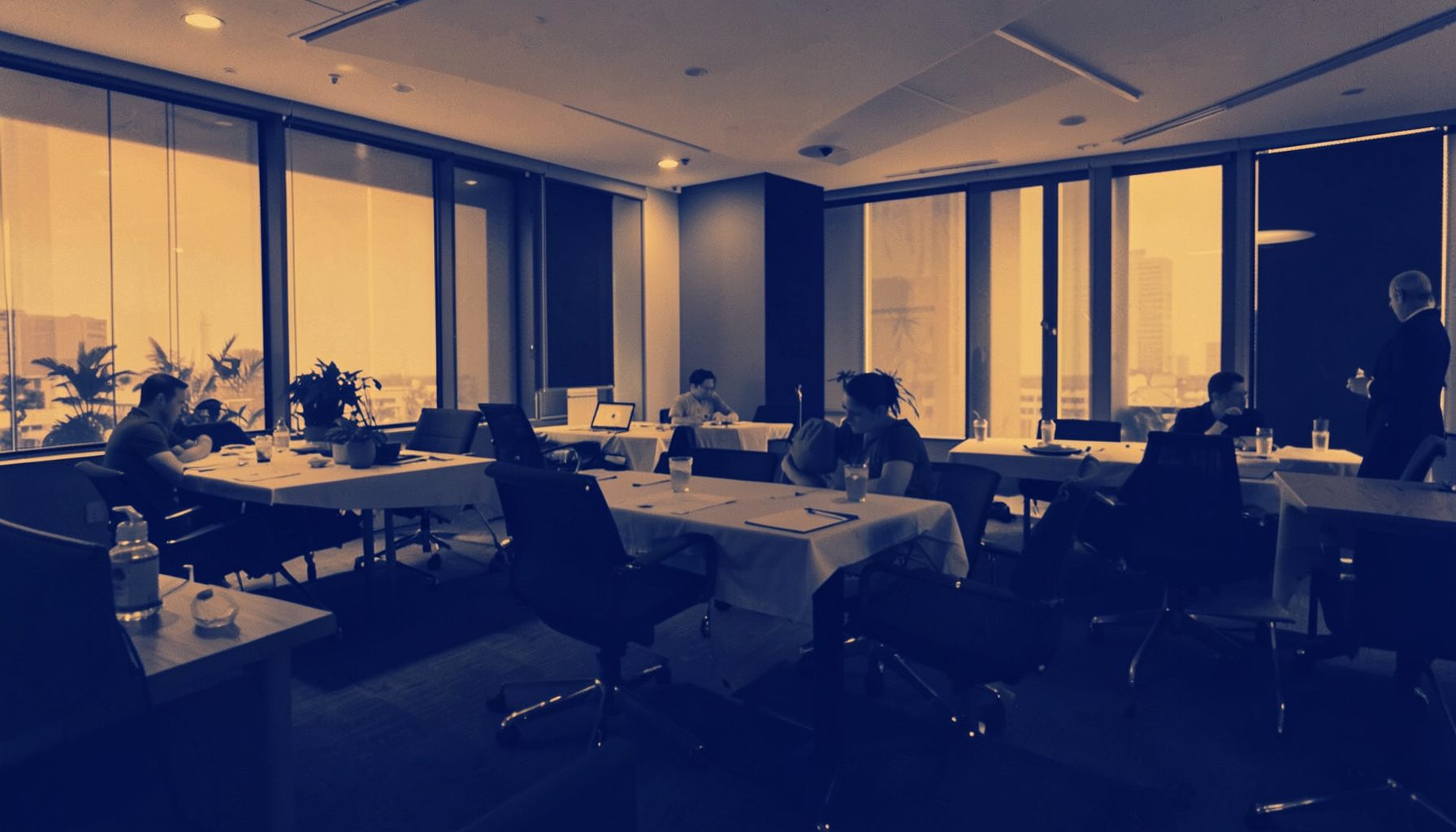
Structured opportunities to connect with fellow wetland researchers, practitioners, and conservation professionals throughout the virtual conference week. Special thematic sessions complemented the scientific programme, creating space for informal exchange and collaboration.
Structured Networking
The conference programme included dedicated networking slots designed to help attendees build connections across disciplines and regions. These sessions ran alongside the main scientific tracks and were scheduled in New Zealand time (NZDT).
- Thematic breakout discussions aligned with conference streams
- Informal meet-ups for early-career researchers and students
- Regional networking hubs for Asia-Pacific, Americas, and Europe-Africa
Special Thematic Sessions
Curated sessions explored cross-cutting topics at the intersection of traditional knowledge and innovative science. These sessions brought together diverse voices — from Indigenous knowledge holders to policy advisors and field scientists.
All special sessions were part of the broader conference programme. Attendees with full virtual registration or relevant day passes could participate live, and on-demand access remained available for three months after the event.
Beyond the formal scientific sessions, the virtual wetlands conference placed real weight on structured networking. Dedicated slots were woven through the programme week so that researchers, practitioners, and conservation professionals could meet one another across disciplines and regions without needing to be in the same room. Running in New Zealand time, these blocks created deliberate breathing space in an otherwise dense schedule, and they made it possible for people who might never cross paths at a physical meeting in Christchurch to exchange ideas, methods, and contacts.
Special thematic sessions complemented the main scientific tracks, offering room for informal exchange and collaborative exploration. Rather than competing with the plenary and keynote material, these sessions sat alongside the technical presentations, drawing out shared questions around wetland function, management, and restoration. Thematic breakout discussions gave smaller groups a chance to work through a focused prompt, while video-based contributions allowed colleagues and communities who could not attend live to still participate and share perspectives on wetlands and their future.
The virtual format also shaped how social moments were hosted, with a meeting hub and online portal spaces standing in for the corridor conversations of a conventional venue. Attendees were encouraged to profile themselves, share names and details, and drop into chats and breaks between sessions. Feedback from participants highlighted how these touchpoints made the week feel welcoming and human, and how the mix of traditional knowledge, innovative science, and professional exchange left many people inspired and better connected to the international wetlands community.
How to Join
Networking and special sessions were accessible to all registered delegates. Full programme details, including session times and descriptions, were published in the conference programme. A time-zone converter was provided to help international attendees plan their participation.